Organized freight operations
Every load is planned, dispatched, and tracked through one operating system — pickups, stops, and deliveries stay coordinated from booking to completion.
LCL runs organized commercial freight on a single connected operating system. Loads, documents, billing, equipment, and compliance records all live in one place — giving shippers dependable visibility today and giving the business room to scale as it grows.
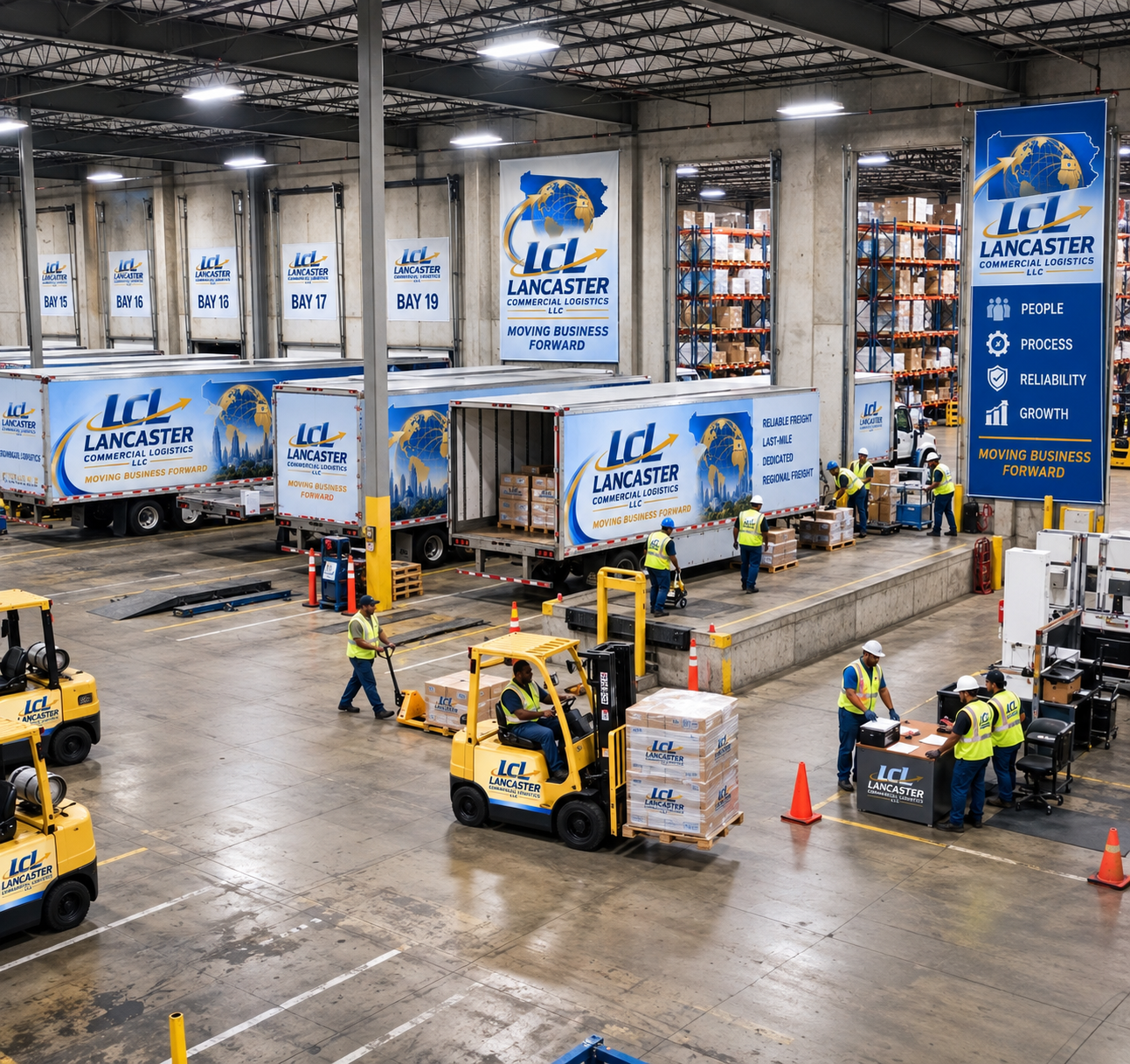
This is the infrastructure LCL runs on today — the same connected process the operation grows into as more trucks, drivers, and lanes come online.
Every load is planned, dispatched, and tracked through one operating system — pickups, stops, and deliveries stay coordinated from booking to completion.
Each status change is timestamped, so shippers always know whether freight is booked, in transit, or delivered without chasing an update.
Bills of lading and proof of delivery are captured digitally at the point of delivery and stay attached to the shipment record.
Invoices tie directly back to the load and its documents, keeping billing clear, accurate, and easy to reconcile.
Preventive maintenance and inspection records are logged against the equipment to keep the truck road-ready and compliant.
Driver qualification and compliance records are maintained within the same system, aligned with federal motor-carrier requirements.
Loads, documents, equipment, and billing live in one connected data model instead of scattered spreadsheets and paper files.
The platform is designed to support additional trucks, drivers, and lanes as LCL grows — the process stays the same as volume increases.
From the first booking to the final invoice, each load moves through one operating system — so nothing gets lost between the truck, the paperwork, and the billing.
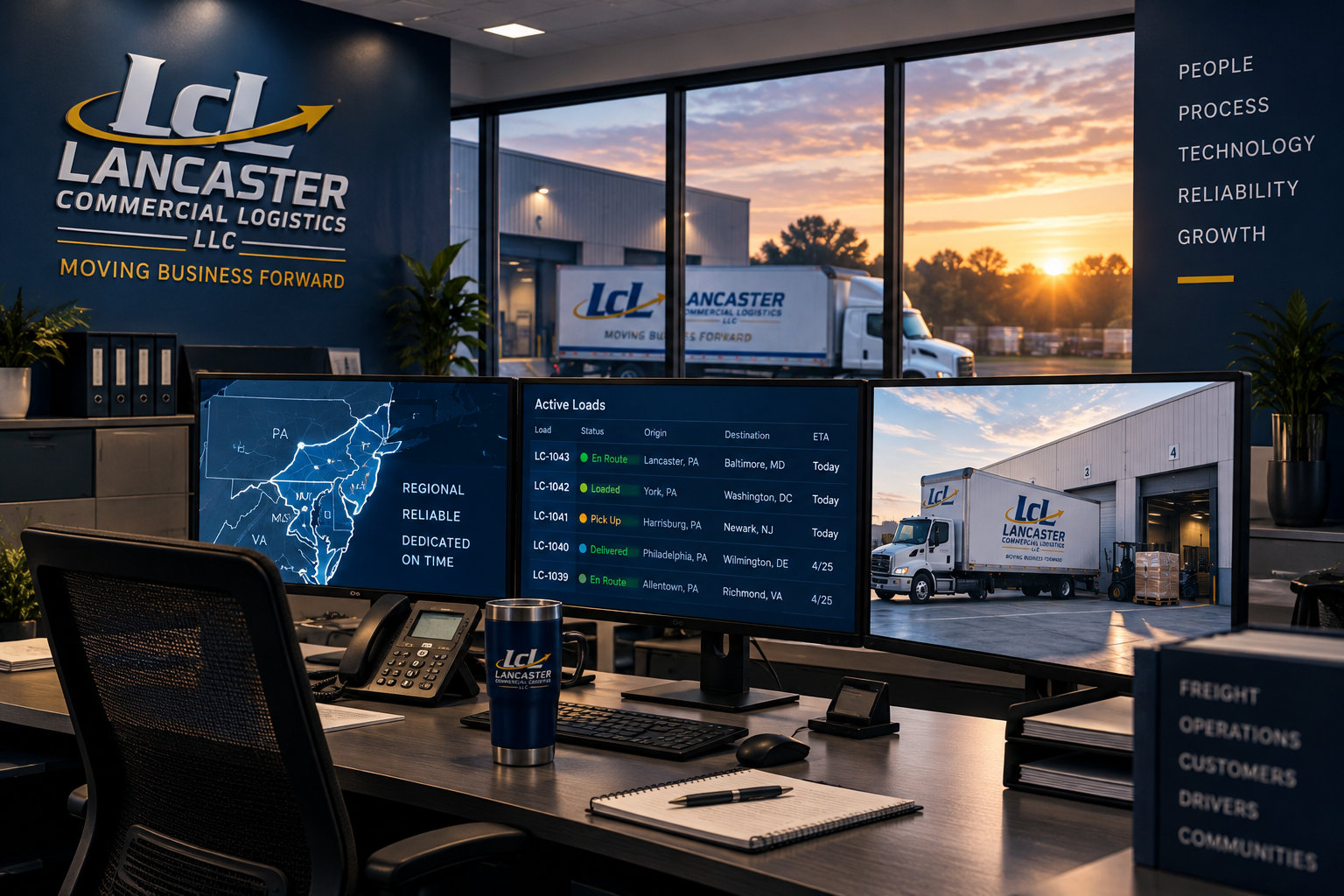
Tell us what you're shipping and where it needs to go. LCL will review the requirements and provide availability and pricing — with documentation connected to the shipment from pickup through delivery.